Wintergespräch mit Florence Gaub: Über Zukunft und deutschen Pessimismus
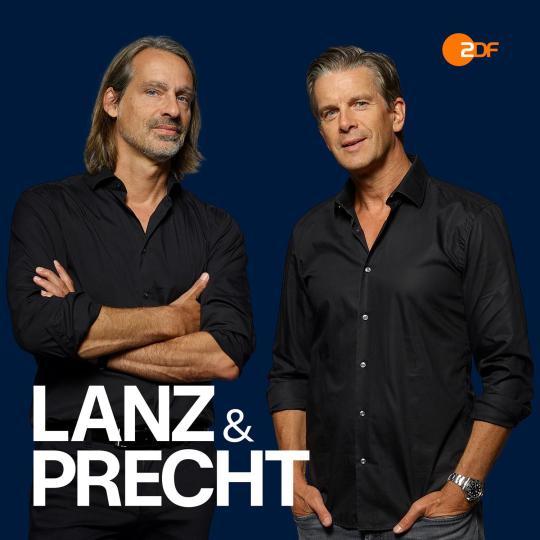
Futurist Florence Gaub argues that difficult times create space for utopian thinking, while examining why Germans seem culturally predisposed to pessimism despite positive personal outlooks.
Timestamps
| Time | Topic |
|---|---|
| 0:00 | Florence Gaub über deutsche Zukunftsangst und Pessimismus |
| 2:32 | Moralismus, Schwarzseherei und der nationale Pessimismus |
| 5:48 | Warum Demokratien Zukunftsangst fördern und Diktaturen Optimismus |
| 7:50 | Das Fehlen positiver Zukunftsbilder in liberalen Demokratien |
| 10:14 | Selbstwirksamkeit und Utopie: Das finnische Modell der Zukunftsplanung |
| 15:19 | Richards biologische Werkseinstellung und die Angst vor Verlust |
| 18:39 | Familiäre Prägung, kleine Länder und das Problem der "Luft nach oben" |
| 20:43 | Florence's Familienerbe und Richards melancholischer Marxist |
| 25:16 | Geschichtsverständnis, Optimismus und die Rolle des Naturells |
| 29:25 | Warum positive Geschichten und politische Visionen fehlen |
| 32:43 | Ökologische Katastrophe, Innovationsdilemma und das Versprechen der KI |
| 37:52 | Vom "Untergang des Übermorgenlandes" zur "Crazy guten Zukunft" |
| 41:42 | Nationale Zukunftsprozesse und die positive Science-Fiction des Solar Punk |
| 48:42 | Künstliche Intelligenz, Arbeitsgesellschaft und der "scheiß Wohlstand" |
| 55:01 | Wie unser Gehirn Zukunft, Gegenwart und Vergangenheit verarbeitet |
| 57:15 | Die Verklärung der Vergangenheit und der "Optimism Bias" |
| 1:00:01 | Ein optimistischer Abschluss und das Versprechen weiterer Zukunftsgespräche |
Key Arguments
Germans Hold Personal Optimism, Collective Pessimism (0:00)
A Friedrich-Ebert-Stiftung study shows 70% of Germans have positive expectations for their own future—yet societal visions remain bleak. This gap between individual confidence and collective anxiety defines the German paradox Gaub explores.
Moralism and National Pessimism (2:32)
Precht argues that moralism and pessimism are deeply intertwined in the German psyche. Germans display unusually high intolerance for uncertainty, which drives excessive worst-case planning and makes optimistic scenarios feel naive.
Democracies Foster Anxiety, Dictatorships Sell Optimism (5:48)
Liberal democracies struggle to articulate positive futures because they lack unified narratives. Authoritarian regimes, by contrast, can impose optimistic visions top-down. This structural disadvantage leaves democratic societies without compelling shared aspirations.
The Finnish Model of Self-Efficacy (10:14)
Finland consistently ranks among the world's happiest countries despite harsh conditions. The Finnish mindset asks "What can I do?" rather than "What might happen?" This action-orientation contrasts sharply with German anticipatory anxiety.
Why Positive Stories and Political Visions Are Missing (29:25)
Germany lacks positive collective narratives about its future. Political discourse centers on avoiding catastrophe rather than building something desirable. Gaub argues we need "utopian thinking" not as escapism but as practical goal-setting.
The Promise of AI and "Solar Punk" (32:43, 41:42)
The conversation explores how AI might reshape work and society. They discuss "Solar Punk"—an optimistic science fiction genre imagining sustainable, technology-positive futures—as an antidote to apocalyptic narratives.
Future as Feeling, Not Prediction (55:01)
Gaub's core thesis: the future depends primarily on how we feel about it, not our ability to predict it. Our brains process past, present, and future differently—and the "optimism bias" that helps individuals thrive gets suppressed in collective German discourse.
Notable Quotes
"Difficult times are a good moment for utopias" — Florence Gaub
"Moralism and pessimism are very linked to the German soul" — Richard David Precht
Connections
Explores themes of cultural psychology and collective mindset. Gaub's work on strategic foresight connects to broader discussions about how societies imagine and create their futures.